قوانین نیوتون دانشجویی!

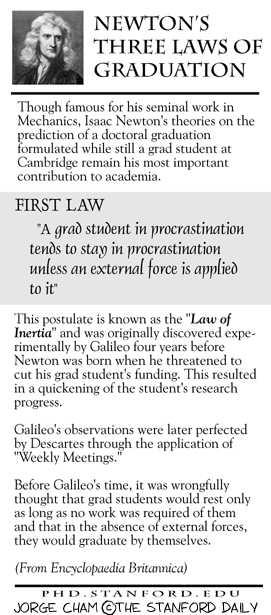
قانون اول نیوتون:
یک دانشجو الاف باقی می ماند مگر اینکه یک نیروی خارجی به آن وارد شود!
این قانون که با عنوان "قانون اینرسی" نیز شناخته می شود , در واقع چهار سال قبل از به دنیا آمدن نیوتون توسط گالیله و به صورت عملی مشاهده شده بود. وی با تهدید دانشجویانش به قطع پول تو جیبی(!) هایشان مشاهده کرد که پژوهش در بین آنان تسریع یافته است.
قبل از گالیله این تفکر غلط بین مردم رایج بود که دانشجویان تا زمانی که نیازی به کار کردن آنها نبود استراحت می کردند و بدون وجود نیروهای خارجی از قبیل میان ترم و پایان ترم هم به آموزش خود می پرداختند ! (دایره المعارف بریتانیکا)
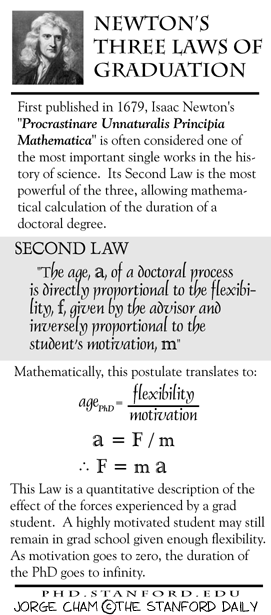
قانون دوم نیوتون:
این قانون که مهم ترین قانون نیوتون به شمار می رود بیان می دارد : "میزان اعتبار مدرک شما a نسبت مستقیم دارد با انعطاف پذیری استاد f , و نسبت عکس دارد با انگیزه دانشجو m ".

a=F/m

طبق این رابطه یک دانشجوی با انگیزه همچنان در حال تحصیل باقی می ماند و چون میزان انعطاف پذیری و به عبارتی "پایه" و " باحال بودن" استاد امری نادرالوقوع(!) می باشد با میل کردن انگیزه به سمت صفر a به سمت بی نهایت میل خواهد کرد!
قانون سوم نیوتون:
بعد از بیان دو قانون اول نیوتون به پارادوکسی رسید: "اگر دو قانونی که برای نیروها بیان شد فارغ التحصیل شدن دانشجو را به تعویق می انداخت پس چگونه با آگاهی به این نکات دانشجویان فارغ التحصیل می شدند؟ "
این بود که نیوتون قانون سوم خود را چنین بیان کرد: " برای هر عمل در جهت تحصیل عملی هست مساوی و در خلاف جهت آن! "
این قانون چنین بیان می دارد که بدون توجه به نوع تعامل با استاد برآیند هر گونه عمل با هرگونه نیرویی برای حصول نتیجه برای پایان نامه با عکس العمل منفی صفر خواهد بود .
بعد ها اینشتین نیز با ارائه نظریه کامل خود در این مورد و نسبیت زمانی آن را پیشرفت داد...

اقتباس : http://www.phdcomics.com

اگر اینترنت وجود نداشت !

Programmer and Engineer !

A Programmer and an Engineer are sitting next to each other on a long flight from LA to NY. The Programmer leans over to the Engineer and asks if he would like to play a fun game. The Engineer just wants to take a nap, so he politely declines and rolls over to the window to catch a few winks.

The Programmer persists and explains that the game is real easy and a lot of fun. He explains, "I ask you a question, and if you don't know the answer, you pay me $5. Then you ask me a question, and if I don't know the answer, I'll pay you $5."

Again, the Engineer politely declines and tries to get to sleep.

The Programmer, now somewhat agitated, says, "OK, if you don't know the answer you pay me $5, and if I don't know the answer, I'll pay you $50!"

This catches the Engineer's attention, and he sees no end to this torment unless he plays, so he agrees to the game. The Programmer asks the first question, "What's the distance from the earth to the moon?"

The Engineer doesn't say a word, but reaches into his wallet, pulls out a $5 bill, and hands it to the Programmer. Now, it's the Engineer's turn. He asks the Programmer, "What goes up a hill with three legs and comes down with four?"

The Programmer looks at him puzzled. He takes out his laptop computer and searches all of his references. He taps into the Airphone with his modem and searches the Net and the Library of Congress. Frustrated, he sends e-mail to his coworkers--all to no avail.

After about an hour, he wakes the Engineer and hands him $50. The Engineer politely takes the $50 and turns away to try to get back to sleep.

The Programmer, more than a little miffed, shakes the Engineer and asks, "Well, so what's the answer?"

Without a word, the Engineer reaches into his wallet, hands the Programmer $5, and turns away to get back to sleep.